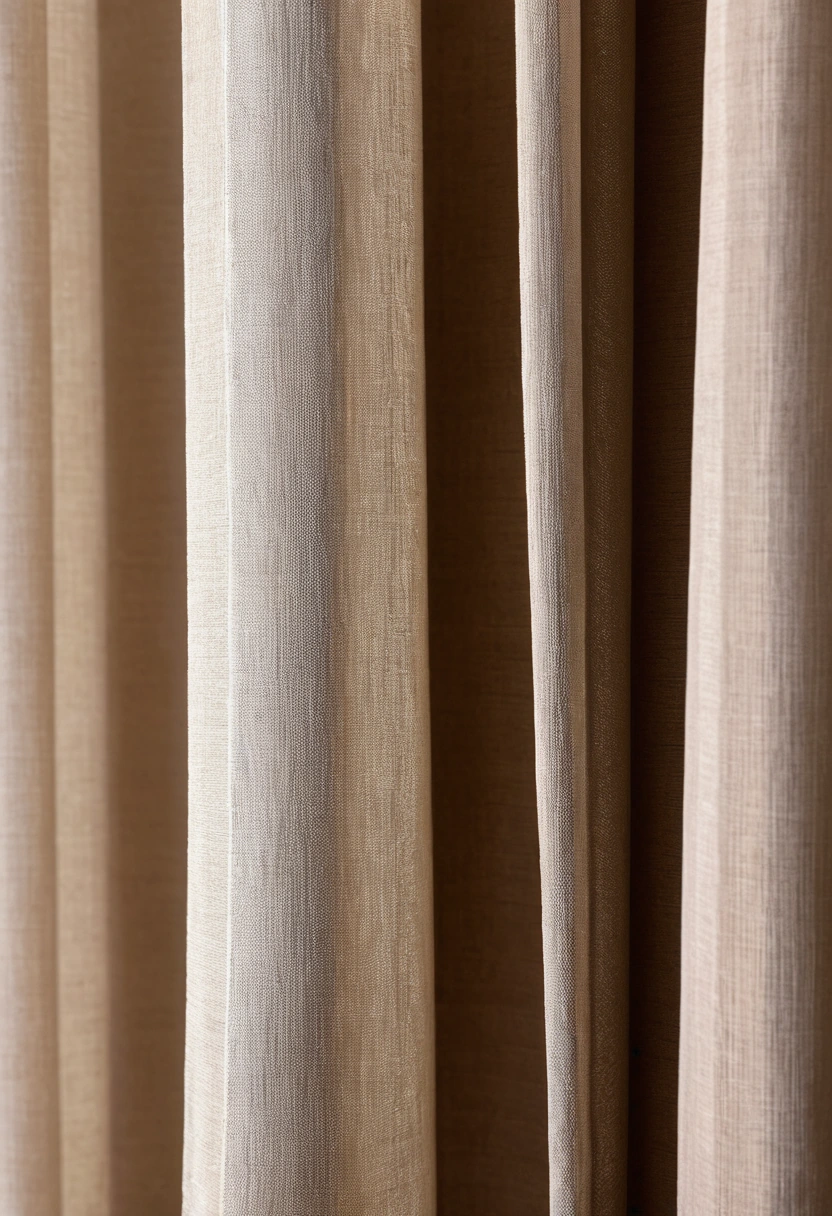
Fabric and Curtain Selection for UAE Interiors
In the UAE, window textiles need to respond to sun, indoor cooling, privacy and the room’s visual plan. Sarelli Textiles is an Italian manufacturer of furnishing fabrics and sheer curtains. A UAE project should select the exact fabric and installation together, then verify how the assembly works at its particular window.
The official UAE government fact sheet describes hot, humid summers within a desert climate. That national description cannot replace measurements in a conditioned apartment or villa. A west-facing glass wall, a shaded courtyard window, and a small bedroom opening need different treatments. Start with orientation, use, and the view the occupants want to keep.
What does the window need to do during a UAE summer?
A summer window treatment may need to reduce direct solar heat and glare while preserving enough daylight for the room’s use. Dubai Electricity and Water Authority advises using curtains, drapes, shades, awnings, and reflective materials to reduce heat entering through glass in summer. DEWA does not say that every curtain fabric produces the same saving; the recommendation includes several kinds of shading.
Visit the room when direct sun reaches the window. Observe which part of the floor and seating is affected. A sheer may reduce harshness but allow much of the sunlight through. A dense lined drape may provide stronger visual shading but remove the view when closed. A separate exterior shade or blind may address solar exposure while an interior sheer handles privacy and atmosphere. The appropriate combination depends on the actual glazing and the user’s priorities.
DEWA’s electricity guidance recommends closing blinds and curtains during the day to block heat and opening them later for natural light. A material schedule should therefore specify the open and closed states, not only the cloth. If the curtain blocks a door or stacks over the usable glass, occupants may not use it as intended.
How should a sheer and a denser layer be assigned jobs?
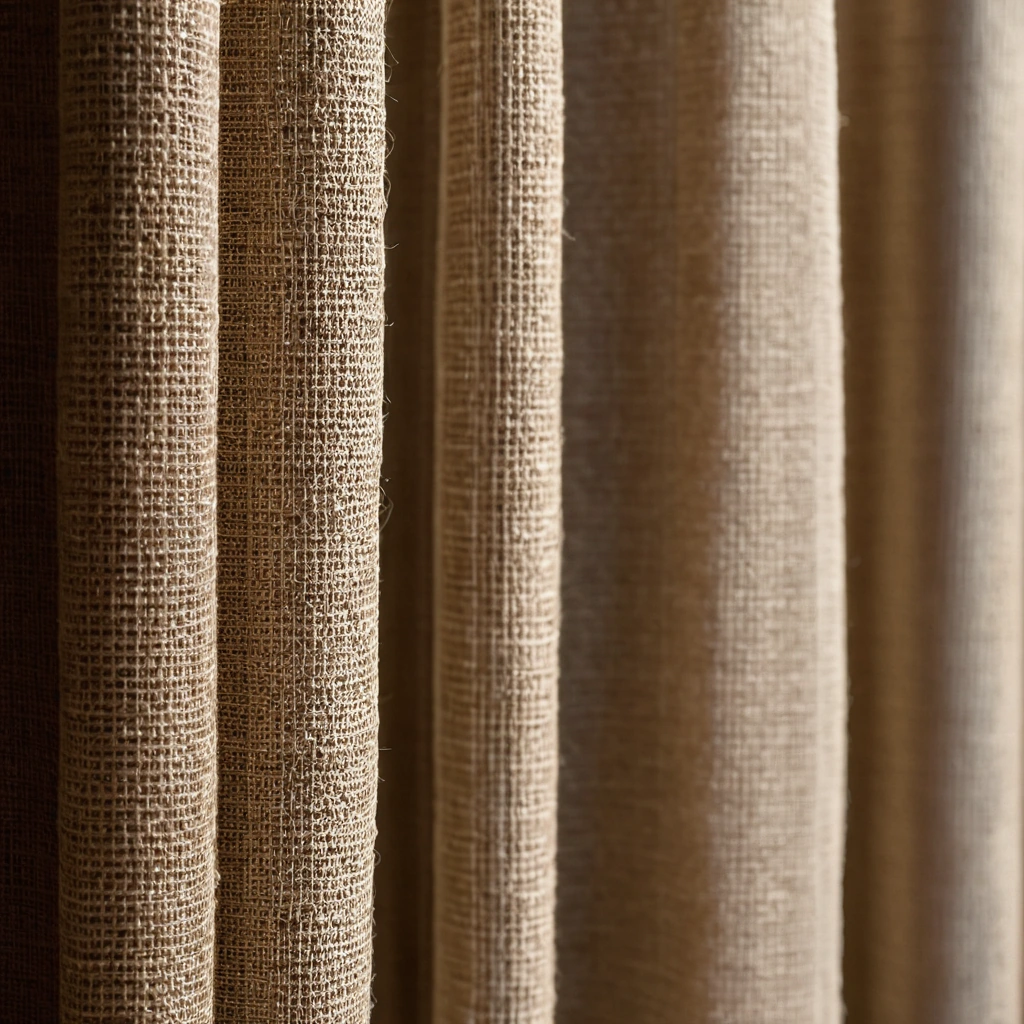
A sheer can soften daylight and reduce direct views into a room while preserving more connection to outside. A denser layer can provide nighttime privacy and stronger shading when closed. Neither function is automatic: a sheer may become transparent at night when interior lights are on, while a dense curtain may still leak light at its perimeter. Test each layer under the room’s daytime and evening conditions.
Place a full-size sample at the actual window. View the sheer from inside in sun and from outside after dark. Close the denser layer and inspect top, side, and center gaps. If the room needs a dark sleeping condition, pay attention to track position and overlap. Calling a panel “blackout” does not prove the whole room will be dark if the installation leaves exposed edges.
Ask how the layers will be operated. Two sets of curtains on a deep track need space to stack, and heavy lining can change the heading and hardware requirements. A simple test with temporary panels or a mock-up can reveal whether a handle, air-conditioning unit, or sofa interferes with movement. Specify the entire window assembly, not just separate fabric samples.
| Function | Likely layer | Site check |
|---|---|---|
| Soft daytime light | Sheer or open-weave cloth | Actual sun and view |
| Strong sun control | Shade, blind, or denser drape | Direct-sun period and coverage |
| Night privacy | Opaque layer | View from outside with lights on |
| Room color | Visible face fabric | Open and closed appearance |

What fabric evidence matters beyond appearance?
For window-facing cloth, request lightfastness information for the exact product. The Association for Contract Textiles’ indoor drapery guideline lists a grade 4 minimum after 60 hours in specified AATCC light tests, while warning that lab hours do not directly predict service hours. A pass or rating helps compare products, but the room’s exposure and use still matter.
Ask for composition, construction, usable width, finish, care, and any lining. A curtain may be made of a fabric that can be cleaned one way while its lining or trim requires another. The completed assembly needs one practical care route. For a hospitality or public project, local fire and building requirements may apply; the responsible local designer or consultant should determine the exact test evidence before ordering. ACT’s own disclaimer says its voluntary marks are not guarantees of compliance with local law.
Humidity should be addressed as a room condition rather than a material slogan. Check condensation around glass and air-conditioning outlets. If moisture is present, fix the source before placing delicate cloth against it. A fabric marketed as easy-care cannot make a wet frame or wall dry. The supplier can advise on product cleaning only after the building condition is understood.
How should color and pattern be checked under UAE light?
Strong daylight can flatten some patterns and intensify the contrast of others. An evening scene with electric lighting can reverse the impression. Test a large sample on the intended vertical plane, with the lining if specified. A tiny swatch may hide the repeat and the way the cloth looks in folds. View the textile alongside flooring and upholstery rather than against a white showroom wall.
The U.S. Department of Energy’s LED guidance distinguishes light color appearance from color fidelity. The actual lamps in a UAE interior should therefore be part of the sample review. A curtain that looks cream in daylight can appear gray or yellow under a different evening spectrum. The decision should be made at the lighting levels occupants will use.
Pattern direction matters where a curtain spans several panels. Confirm whether motifs align at the center and whether the repeat is centered on the most visible window. A large window can make a small error in alignment conspicuous. Ask the workroom for an elevation showing panel widths, pleat type, stacking space, and pattern position before cutting.
What should the final UAE window schedule include?
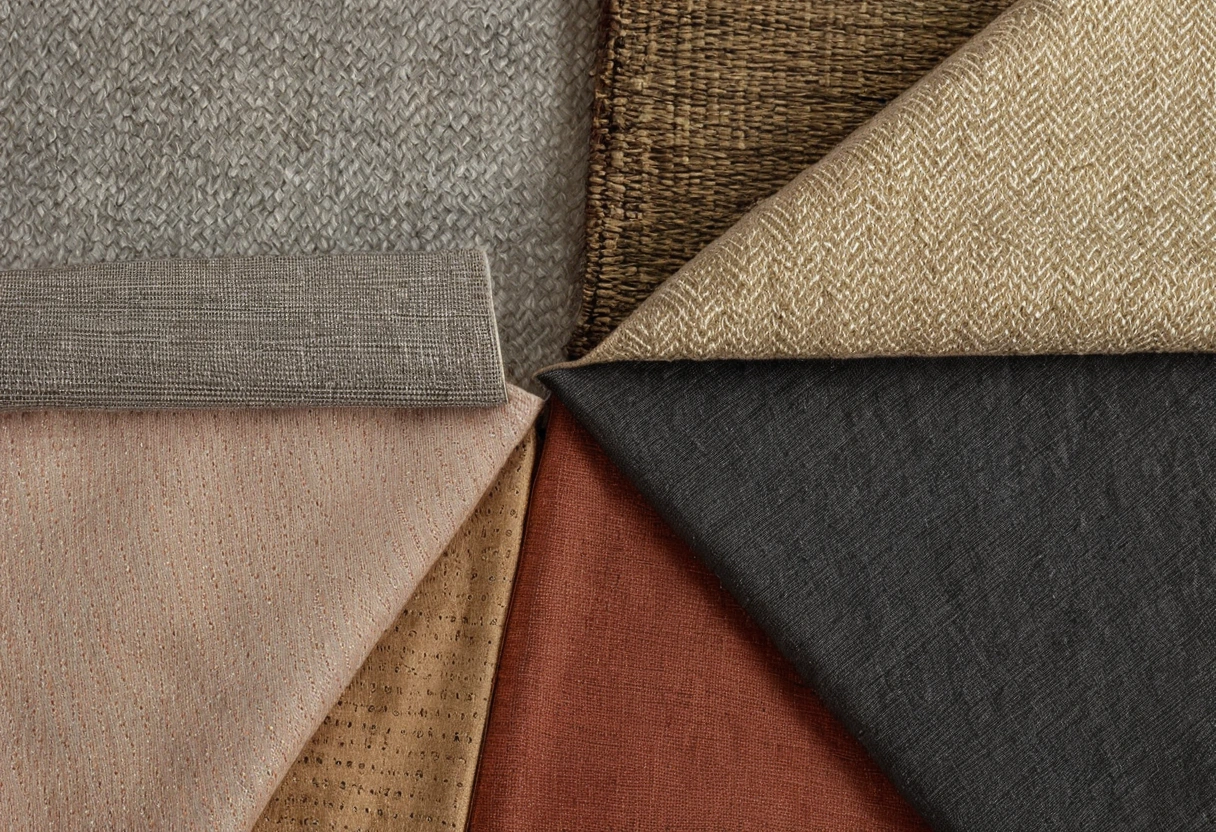
Record window orientation, room use, face fabric, sheer, lining, track, overlap, finished dimensions, pattern, care, and the source of any performance evidence. Attach the approved physical samples and the workroom drawing. A recommendation to close curtains during sun exposure only helps if the installed system can be operated easily and does not obstruct the room.
- Observe the window during direct sun and after dark.
- Assign distinct tasks to sheer, dense curtain, and any shade.
- Verify lightfastness and product-specific care.
- Check local project requirements through the responsible consultant.
- Test the finished layers in open and closed positions.
The UAE climate makes window behavior a practical design issue, but no single fabric is the answer for every room. A reliable choice connects the material to the exact glazing, light, privacy need, and maintenance plan. The finished curtain should perform those assigned tasks without sacrificing the room’s intended appearance.
Check the exterior view of the curtain as well as the room-side view. A lining may make a building facade look more uniform, which can matter in a managed apartment development or hotel. The project team should confirm any building management rules before ordering; the article does not assume a particular rule applies. A fabric selected solely for its room-side color may present a very different reverse toward the exterior.
Long-term operation deserves a short trial. Ask someone who will use the room to open and close the proposed arrangement. A beautiful layered treatment that requires awkward reaches or catches on furniture may be left in the wrong position during the hottest part of the day. Hardware, pull position, and stack clearance can therefore affect whether the intended shading is actually used.
After installation, return at the sun condition that originally motivated the choice. Observe glare, privacy, and the appearance of each layer. If the problem persists, check whether the issue lies in fabric transmission, gaps, or operation before ordering a replacement textile. A precise diagnosis prevents a second material purchase that repeats the first mistake.